How Aerospace Machining Services Revolutionize Military Aircraft Production
The Role of Aerospace Machining Services in Military Aircraft Production
Overview of Aerospace Machining Services
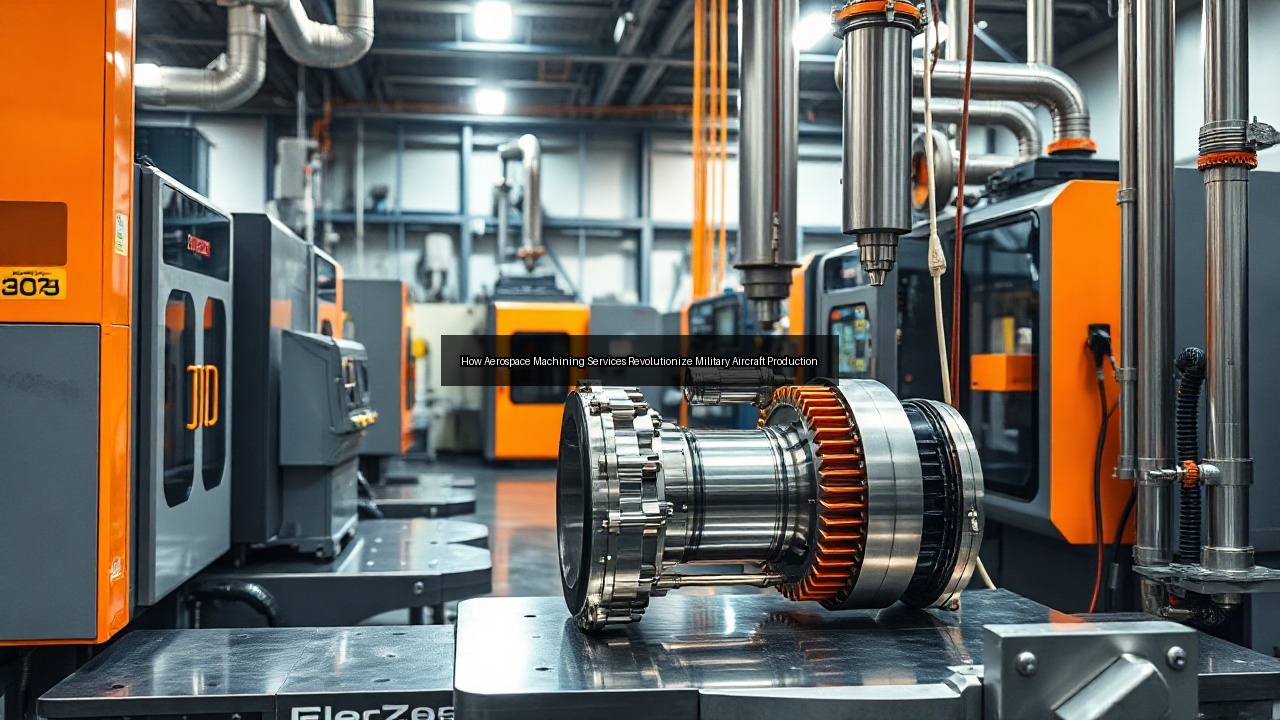
Aerospace machining services play a pivotal role in the production of military aircraft, ensuring high-quality manufacturing standards and precision engineering. These services encompass a range of processes, including CNC machining, milling, and turning, all tailored to meet the rigorous demands of the aerospace industry. Machinists utilize advanced tools and technologies to create components from various materials such as aluminum, titanium, stainless steel, and cobalt. The complexity of military aircraft requires parts that not only meet exact specifications but also exhibit exceptional reliability and durability. Thus, aerospace machining services form the backbone of military aviation, facilitating the development of advanced aircraft and UAV systems.
Impact on Military Aircraft Manufacturing
The impact of aerospace machining services on military aircraft manufacturing cannot be overstated. These services streamline production processes, reduce lead times, and enhance overall efficiency. With the increasing complexity of military aircraft, manufacturers rely on precision machining to create components that meet stringent performance requirements. The integration of CNC machining allows for the automation of processes, leading to improved production rates while maintaining high precision and accuracy. As defense technologies evolve, the demand for sophisticated aerospace components rises, driving innovation in machining services. This evolution not only supports the production of advanced aircraft but also ensures that military operations can rely on the most cutting-edge technology available.
Key Materials Used in Aerospace Machining
Machinists in aerospace machining services frequently work with a variety of materials, each selected for their unique properties. Titanium, for instance, boasts an excellent strength-to-weight ratio, making it ideal for components subjected to high-stress environments, such as turbine blades and engine parts. Aluminum serves as another critical material, valued for its lightweight and corrosion-resistant characteristics. Cobalt and stainless steel also find their place in aerospace applications due to their durability and resistance to oxidation. The choice of materials directly influences the performance and reliability of military aircraft. Aerospace machining services must adeptly handle these materials to produce components that meet the demanding safety and performance standards of military applications.
Technological Advancements in Aerospace Machining
CNC Machining and Its Importance
CNC machining has revolutionized aerospace machining services by providing unparalleled precision and repeatability in manufacturing processes. Using computer-controlled tools, machinists can produce intricate components with minimal human intervention, significantly reducing the risk of aerospace parts machining errors. This technology allows for the creation of complex geometries that are essential in military aircraft design. Additionally, CNC machines can operate continuously, increasing production efficiency and decreasing turnaround times. The precision of CNC machining has become a cornerstone of aerospace engineering, ensuring that each component meets exact specifications. As technology progresses, CNC machining will continue to evolve, further enhancing the capabilities of aerospace manufacturing.
Industrial Automation in Aerospace Manufacturing
Industrial automation has transformed aerospace machining services by integrating robotics and advanced manufacturing systems into production lines. Automation streamlines processes, reducing labor costs and increasing efficiency. Automated systems can handle repetitive tasks, allowing skilled machinists to focus on more complex operations that require human intervention. This shift not only accelerates production but also improves consistency and quality control. In military aircraft production, where precision is paramount, automation ensures that components meet the rigorous standards necessary for performance and reliability. As the aerospace industry continues to embrace industrial automation, it will enhance the capabilities of machining services and the overall manufacturing process.
Precision and Accuracy in Machining Processes
Precision and accuracy are non-negotiable elements in aerospace machining services. The production of military aircraft involves components that must operate flawlessly under extreme conditions. Machinists employ advanced measuring techniques and tools, such as laser scanners and coordinate measuring machines (CMM), to ensure that every part meets exact tolerances. These practices prevent costly errors and ensure that all machined components perform as intended. The emphasis on precision extends to the machining of critical components, such as engine parts and missile systems, where even the slightest deviation can have serious consequences. Aerospace machining services prioritize these factors, ensuring that military aircraft can operate safely and effectively in the field.
Enhancing Reliability and Performance with Aerospace Machining
Machining of Critical Components: Turbine Blades and Engine Parts
The machining of critical components like turbine blades and engine parts plays a vital role in enhancing the reliability and performance of military aircraft. These components must withstand extreme temperatures and pressures while maintaining optimal performance. Aerospace machining services utilize advanced techniques to fabricate these parts, ensuring that they meet the rigorous demands of aerospace engineering. The precision machining of turbine blades, for example, directly influences engine efficiency and overall aircraft performance. Machinists meticulously design and manufacture these components to minimize wear and tear, thus extending the service life of military aircraft and ensuring mission success.
The Use of Advanced Materials: Titanium, Aluminum, and Cobalt
Advanced materials such as titanium, aluminum, and cobalt are integral to the production of military aircraft. These materials offer unique properties that enhance performance. Titanium, known for its strength and lightweight nature, is often used in critical aerospace applications where weight savings are crucial. Aluminum provides excellent corrosion resistance and is widely used in structural components. Cobalt, with its high-temperature strength, is ideal for components exposed to extreme conditions. Aerospace machining services must be adept at handling these materials, employing specialized tools and techniques to ensure that each machined part meets the exacting standards required for military aircraft. The careful selection and machining of these materials directly contribute to the overall reliability and performance of military aviation technology.
Quality Control and Testing in Aerospace Machining
Quality control and testing are essential components of aerospace machining services. Given the high stakes involved in military aircraft production, rigorous testing protocols ensure that every machined part meets the required specifications and performance standards. Machinists implement various quality control measures, including dimensional inspections, non-destructive testing, and material analysis, to verify the integrity of components. These practices not only prevent defects but also enhance the safety and reliability of military aircraft. As technology evolves, so do quality control methodologies, incorporating advanced metrics and testing techniques to ensure that aerospace machining services continue to produce components that can withstand the challenges of military operations.
Future Trends in Aerospace Machining Services
The Role of Semiconductors in Aerospace Technology
Semiconductors are becoming increasingly important in aerospace technology, influencing the design and manufacturing of components in military aircraft. As aircraft systems become more reliant on advanced electronics and automation, the integration of semiconductor technology enhances functionality and performance. Aerospace machining services must adapt to these changes, producing components that accommodate the evolving requirements of electronic systems. This trend not only improves the efficiency of military aircraft but also expands their capabilities. Machinists will need to remain at the forefront of semiconductor technology, ensuring that their machining processes align with the future needs of military aviation.
Emerging Technologies in Space Architecture
The future of aerospace machining services also lies in the emergence of new technologies in space architecture. As the aerospace industry shifts its focus toward space exploration and satellite technology, machining services will need to evolve to meet these demands. Advanced materials and manufacturing techniques will play a crucial role in producing components for spacecraft and satellites, where weight reduction and durability are paramount. Machinists will utilize cutting-edge technologies to fabricate parts that can endure the harsh conditions of space. This shift towards space architecture will likely drive innovation and further enhance the capabilities of aerospace machining services.
Sustainable Practices in Aerospace Machining
Sustainability is becoming a critical focus in aerospace machining services. The aerospace industry faces increasing pressure to adopt environmentally friendly practices, reducing waste and energy consumption during manufacturing. Machinists are exploring new materials and processes that minimize environmental impact while maintaining quality and performance. Innovations such as additive manufacturing and recycling of materials are gaining traction, allowing for more sustainable production methods. Embracing these practices not only benefits the environment but also resonates with consumers and stakeholders who prioritize sustainability in aerospace technology. As the industry progresses, sustainable practices will become integral to the future of aerospace machining services, ensuring that military aircraft production meets both operational and environmental goals.
See Also
- The Impact of Industrial Automation on Aerospace Component Machining
- How CNC Machining is Shaping the Aerospace Industry Landscape
- Exploring the Benefits of Custom Machining for Military Aircraft Components
- Unlocking Precision in Aerospace Machining for the Future of Flight
- The Future of Aerospace Machining in Space Architecture