Mastering the Techniques of Compression and Injection Molding
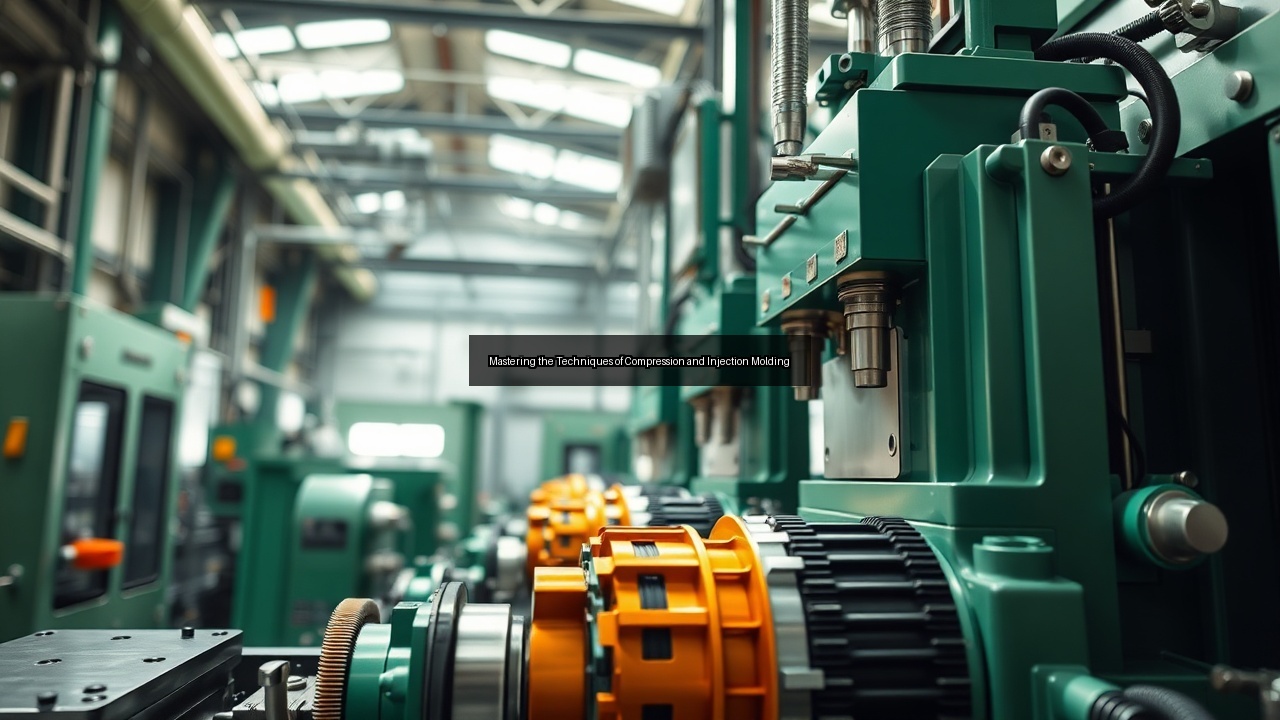
Understanding Molding Techniques
Overview of Compression Molding
Compression molding stands as one of the oldest methods for shaping rubber and thermoplastics, offering numerous advantages for various applications. This technique involves placing a preheated polymer material into a heated mold cavity. The mold is then closed, applying pressure to shape the material into the desired form. Compression molding excels in producing large, complex parts with minimal waste, making it an efficient choice for custom rubber molding projects. The process accommodates various elastomers, including EPDM and silicone, allowing manufacturers to cater to a wide range of customer needs. The simplicity of the equipment and the ease of operation further enhance its appeal in manufacturing environments.
Exploring Injection Molding
Injection molding is a highly efficient and widely used technique in the production of rubber and plastic components. In this process, molten material is injected into a mold under high pressure, resulting in precision-engineered parts. The versatility of injection molding allows for complex designs and intricate details, making it ideal for custom rubber molding applications. This method supports various materials, including thermoplastics and elastomers, ensuring that manufacturers can meet diverse customer specifications. Factors such as temperature control and injection speed play crucial roles in achieving the desired tolerances and surface finishes. Injection molding has become a go-to choice for industries seeking high-volume production with consistent quality.
The Role of Transfer Molding
Transfer molding bridges the gap between compression and injection molding, combining aspects of both to enhance efficiency and precision. This technique involves preheating rubber or thermoplastic materials and placing them in a transfer pot. The material is then forced into the mold through a runner system, utilizing pressure to ensure complete filling. Transfer molding is particularly beneficial for producing parts with intricate details and complex geometries. Industries often use this method for custom rubber molding, where it provides excellent control over material flow and minimizes waste. Additionally, the ability to use multiple materials in one mold opens up new possibilities for innovative product designs.
Key Considerations in Custom Rubber Molding
Material Selection: EPDM, Silicone, and Elastomers
Choosing the right material is crucial in custom rubber molding, as it directly impacts the performance and longevity of the final product. Ethylene Propylene Diene Monomer (EPDM) is a popular choice due to its excellent weather resistance and durability, making it suitable for automotive seals and gaskets. Silicone rubber, known for its extreme temperature resistance and flexibility, finds applications in medical devices and food packaging. Other elastomers, such as nitrile and neoprene, also offer unique properties that cater to specific engineering needs. Understanding the characteristics of each material helps manufacturers select the best option that meets customer requirements while ensuring the product's performance in its intended environment.
Importance of Design and Tolerances
Design plays a pivotal role in the success of custom rubber molding. Engineers must consider not only the aesthetic aspects but also the functional requirements of the molded parts. Factors such as wall thickness, draft angles, and surface finish directly influence the rubber custom molds manufacturability and effectiveness of the final product. Establishing precise tolerances is essential to ensure that parts fit together as intended, particularly in applications like automotive bushings and grommets. Close collaboration between designers and manufacturers ensures that the design can be effectively translated into a mold, minimizing the risk of defects and ensuring the high quality of molded products.
Temperature and Pressure Control in Molding Processes
Temperature and pressure are critical parameters in both compression and injection molding processes. Maintaining the right temperature ensures that the rubber or plastic material reaches the appropriate viscosity, allowing it to fill the mold completely. Inadequate temperature control can lead to incomplete fills, while excessive heat can degrade the material. Pressure control is equally important; insufficient pressure may result in air pockets, while excessive pressure can cause material flash or damage the mold. Manufacturers must monitor these variables closely to maintain consistent quality and achieve the desired tolerances in custom rubber molding projects, ensuring that each molded part meets stringent performance standards.
Applications and Innovations in Custom Rubber Molding
Automotive Components: Bushings and Gaskets
Custom rubber molding plays a vital role in the automotive industry, where components like bushings and gaskets are essential for vehicle performance. Bushings rubber custom molding made from resilient rubber materials provide critical support and cushioning, reducing noise and vibration in various automotive systems. Gaskets, on the other hand, ensure airtight and watertight seals, preventing leaks and enhancing engine efficiency. Manufacturers leverage advanced molding technologies to create precision-engineered parts that meet the rigorous demands of automotive applications. Innovations in material science continue to improve the durability and resilience of these rubber components, helping manufacturers meet customer expectations for high-performance vehicles.
Packaging Solutions: Clean Room Molding
In industries such as pharmaceuticals and electronics, clean room molding offers a tailored solution for producing components that meet stringent hygiene and contamination standards. Custom rubber molding techniques allow manufacturers to create parts that fit specific applications, such as seals for sterile rubber custom molding packaging or components in sensitive electronic devices. The ability to control the molding environment ensures that products remain free from contaminants, critical for maintaining product integrity. Innovations in clean room technologies are driving advancements in custom rubber molding, enabling manufacturers to produce high-quality, reliable components while adhering to strict regulatory requirements.
Noise and Vibration Damping: The Use of Rubber in Engineering
Rubber's unique properties make it an excellent choice for noise and vibration damping in engineering applications. Custom rubber molding allows manufacturers to create tailored solutions such as bumpers, pads, and mounts that effectively absorb shocks and minimize vibrations. These components play a critical role in enhancing the performance and longevity of machinery, vehicles, and consumer products. Innovations in rubber formulations and molding techniques continue to expand the possibilities for noise and vibration control, helping engineers develop more efficient and quieter systems. By investing in custom rubber molding, manufacturers can address specific customer needs while driving advancements in engineering design.
Choosing the Right Manufacturer for Custom Rubber Molding
Evaluating Manufacturer Expertise and Experience
Selecting the right manufacturer for custom rubber molding significantly influences project outcomes. Consider a manufacturer’s expertise in specific molding techniques, such as compression, injection, and transfer molding. A company with extensive experience in the field understands the nuances of material behavior, tooling, and design intricacies. Evaluate their portfolio for past projects that align with your requirements. Experienced manufacturers also bring valuable insights into optimizing designs for manufacturability, which can lead to cost savings and improved product performance. Partnering with a knowledgeable manufacturer ensures that the final product meets high standards of quality and functionality.
Understanding ISO Standards in Manufacturing
ISO certification indicates that a manufacturer adheres to internationally recognized quality management standards. Understanding these standards is vital when selecting a partner for custom rubber molding. ISO-certified manufacturers demonstrate a commitment to quality, consistency, and continuous improvement, ensuring that the products they deliver meet rigorous specifications. Compliance with ISO standards also reflects a manufacturer’s dedication to safety and environmental responsibility. Engaging with an ISO-certified manufacturer provides peace of mind, knowing that your custom rubber components will undergo stringent quality checks throughout the production process.
Inspection and Quality Control in Custom Molding
Quality control is a cornerstone of successful custom rubber molding. Manufacturers must have robust inspection processes to ensure that each part meets the required specifications and tolerances. This includes dimensional inspections, material tests, and functional assessments. Advanced technologies such as automated inspection systems and data analytics enhance the efficiency and accuracy of quality control measures. By prioritizing inspection and quality control, manufacturers can catch defects early in the production process, reducing waste and ensuring that the final products meet customer expectations. A commitment to quality assurance distinguishes top manufacturers in the competitive landscape of custom rubber molding.
See Also
- Innovative Technologies Revolutionizing Custom Rubber Molding Processes
- The Evolution of Custom Rubber Molding in Aerospace Engineering
- Achieving Perfect Tolerances in Custom Rubber Molding Applications
- Custom Rubber Molding vs Traditional Methods Which is Best for You
- The Future of Custom Rubber Molding in Sustainable Manufacturing Practices