How Vacon Drives Improve System Reliability and Longevity
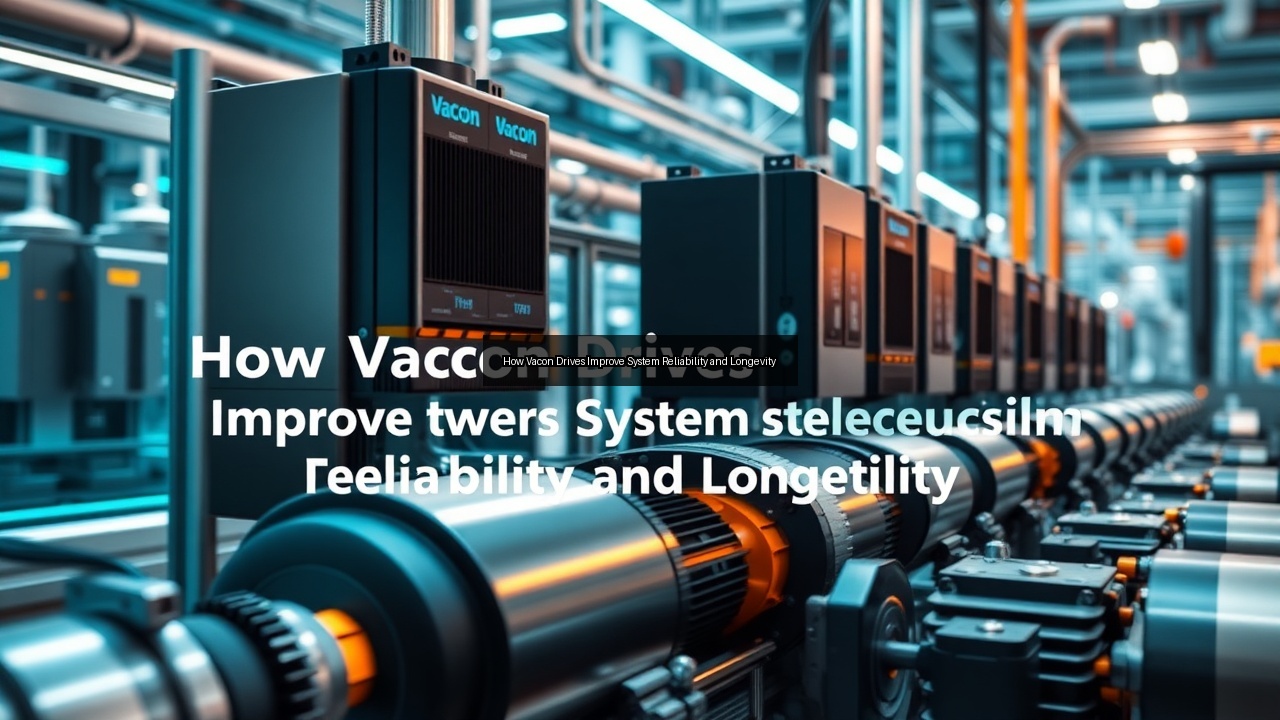
Understanding Vacon Drives and Their Functionality
Overview of Vacon Drives
Vacon drives, renowned for their efficiency and reliability, represent a cornerstone in modern industrial automation. These variable frequency drives (VFDs) allow for precise control of electric motors by adjusting the frequency and voltage supplied to the motor. This capability not only enhances performance but also significantly improves energy efficiency. Unlike traditional AC drives, Vacon drives cater to a wide range of applications, from simple fan control to complex automation processes. Their robust design and advanced technology ensure they can withstand demanding environments, making them an ideal choice for industries such as HVAC, manufacturing, and water treatment.
How Vacon Drives Operate
At the core of Vacon drives lies sophisticated technology that enables seamless operation of electric motors. By modulating the input frequency, Vacon drives adjust the motor speed according to the specific requirements of the application. This modulation occurs through pulse width modulation (PWM), which converts DC voltage into a variable AC supply. Such functionality allows for smooth acceleration and deceleration, minimizing mechanical stress on motors and connected components. The user-friendly interface of Vacon drives simplifies programming and monitoring, providing operators with real-time feedback and control over system performance. This level of operational flexibility positions Vacon as a leader in the VFD market.
The Role of Variable Frequency Drives in Modern Applications
Variable frequency drives like Vacon play an essential role in modern industrial applications. They optimize energy consumption by allowing electric drivers motors to operate at variable speeds, which directly correlates with load demands. In HVAC systems, for instance, Vacon drives adjust fan speeds dynamically, resulting in substantial energy savings and improved indoor climate control. Additionally, these drives enhance system performance by reducing wear and tear on motors, ultimately extending their lifespan. The integration of Vacon drives into processes such as conveyor systems, pumps, and compressors showcases their versatility and effectiveness in enhancing operational efficiency across diverse sectors.
Enhancing System Reliability with Vacon Drives
Key Features Contributing to Reliability
Vacon drives come equipped with a suite of features that significantly enhance system reliability. One of the standout attributes is their advanced protection mechanisms, which guard against electrical faults, overvoltage, and overheating. These protective features ensure that the drive and the connected motors operate within safe parameters, reducing the risk of unexpected shutdowns. Additionally, Vacon drives incorporate intelligent diagnostics that monitor system performance and alert operators to potential issues before they escalate. The ability to perform self-tests and report on operational status contributes to a more reliable overall system. This reliability translates to reduced downtime and maintenance costs, making Vacon drives a wise investment for any industrial application.
Impact on Electric Motors and HVAC Systems
The integration of Vacon drives has a profound impact on the reliability of electric motors and HVAC systems. By allowing for precise control over motor speed, these drives minimize the mechanical stress that often leads to premature motor failure. In HVAC applications, for example, Vacon drives provide the necessary flexibility to adjust airflow according to real-time conditions, maintaining optimal performance while reducing energy consumption. Consequently, HVAC systems equipped with Vacon drives experience fewer breakdowns and extended operational life. The reliability of electric motors improves significantly, as they operate within optimal parameters, reducing the likelihood of thermal overload and mechanical wear.
Case Studies: Vacon Drives in Action
Several case studies highlight the effectiveness of Vacon drives in enhancing system reliability. In one instance, a manufacturing plant faced frequent motor failures due to inconsistent power supply and mechanical strain. By implementing Vacon drives, the facility experienced a dramatic reduction in downtime and maintenance costs. The drives provided precise control over motor speeds, enabling smoother operation and less wear on components. Another case study in the HVAC industry demonstrated that a commercial building could achieve a 30% reduction in energy consumption after retrofitting its systems with Vacon drives. The drives allowed for dynamic adjustment of fan speeds, leading to improved indoor air quality and increased occupant comfort. These real-world examples underscore the transformative impact of Vacon drives on system reliability and operational efficiency.
Extending Equipment Longevity Through Vacon Technology
The Importance of Variable Speed Drives
Variable speed drives, particularly Vacon drives, play a crucial role in extending the longevity of equipment. By enabling motors to operate at varying speeds, these drives reduce the mechanical strain associated with constant-speed operation. Equipment longevity benefits significantly from this adaptability, as variable speed drives ensure that motors run only at the required speed for specific tasks. This capability not only conserves energy but also minimizes wear and actuators tear on components, allowing machines to function optimally over extended periods. Industries that rely heavily on continuous operation, such as manufacturing and HVAC, find immense value in the enhanced durability offered by Vacon technology.
Maintenance Benefits of Vacon Drives
Vacon drives provide substantial maintenance benefits that contribute to equipment longevity. Their built-in diagnostic capabilities allow for real-time monitoring of system performance, enabling operators to identify potential issues before they result in equipment failure. This proactive approach to maintenance reduces the frequency and cost of repairs. Additionally, the smooth operation of Vacon drives diminishes the need for frequent replacements of mechanical components, such as bearings and gears, which often suffer from wear in traditional systems. The reduced maintenance requirements not only save money but also increase operational efficiency, ensuring that production processes remain uninterrupted and reliable.
Comparative Analysis with Traditional AC Drives
When comparing Vacon drives to traditional AC drives, the advantages become clear. Traditional AC drives often operate at a fixed speed, which can lead to inefficiencies and increased wear on motors due to constant mechanical strain. In contrast, Vacon drives' ability to modulate speed according to demand allows for more efficient energy use and less stress on components. Furthermore, Vacon drives include advanced features such as built-in protections and diagnostics that traditional AC drives typically lack. This technological edge results in less downtime and lower overall maintenance costs, enhancing the longevity of both the drives and the motors they control. Industries that prioritize reliability and efficiency will find Vacon drives to be a superior choice in achieving their operational goals.